
Top Waterproofing Products for Reliable Home Protection
Discover the leading waterproofing solutions designed to safeguard your property from moisture and water damage effectively.
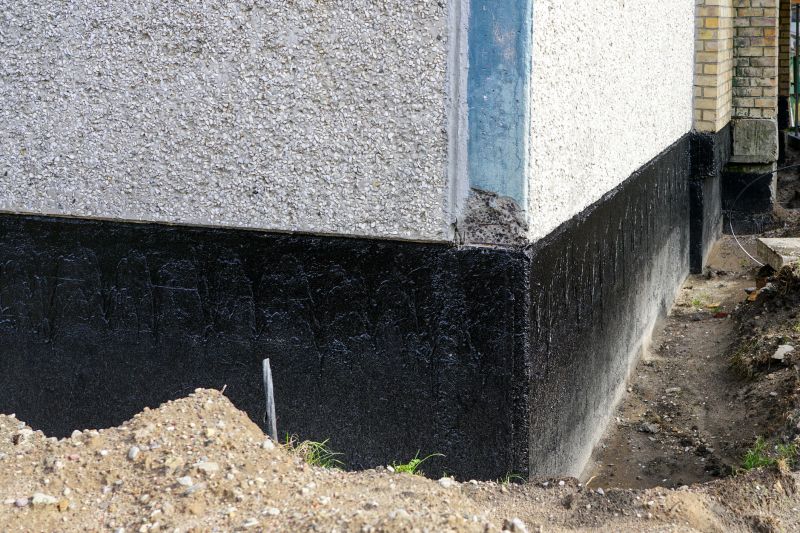 Waterproofing products play a crucial role in protecting structures from moisture intrusion, which can lead to damage, mold growth, and structural deterioration over time. Whether safeguarding foundations, basements, roofs, or interior surfaces, selecting the appropriate waterproofing solution depends on various factors including surface type, exposure conditions, and specific project requirements. Proper application and maintenance of waterproofing materials can extend the lifespan of buildings and help maintain their integrity.
Top Overall Option
Liquid Waterproofing Membrane
A versatile liquid waterproofing membrane offers a seamless, flexible barrier that can be applied to a variety of surfaces including roofs, foundations, and balconies. Its ease of application, typically via brush, roller, or spray, allows for comprehensive coverage and adaptation to complex geometries. When properly applied, it forms a durable, watertight layer that helps prevent moisture intrusion and protects underlying structures. This type of product is often favored for its ability to bridge small cracks and accommodate movement, making it suitable for a range of waterproofing needs. Regular maintenance and inspections can help ensure long-lasting performance in diverse environments.
Types of Products For Waterproofings
Bituminous Coatings
Asphalt-based coatings provide a durable, flexible layer suitable for roofs and below-grade applications, offering resistance to water and weathering.
Polyurethane Coatings
Polyurethane coatings create elastic, seamless layers ideal for roofs, decks, and surfaces requiring flexibility and strong adhesion.
Liquid Rubber Membranes
These membranes offer a highly flexible, waterproof coating that can be applied to various surfaces, especially useful for irregular or complex areas.
Cementitious Waterproofing
Cement-based waterproofing products are often used for basement walls and tunnels, providing a breathable yet moisture-resistant barrier.
Polymer Modified Bitumen
Modified bitumen membranes combine asphalt with polymers for enhanced elasticity and durability, suitable for roofing and foundation waterproofing.
Sealants and Caulks
These flexible compounds are used to fill cracks, joints, and gaps to prevent water infiltration in various building components.
Sheet Membranes
Preformed sheets made from rubber, PVC, or other materials are used for waterproofing foundations, roofs, and balconies.
Waterproofing Paints
Specialized paints provide a thin, protective layer on walls and surfaces, often used as a finishing coat for added waterproofing.
Crystalline Waterproofing
These penetrating products react with concrete to form a waterproof barrier within the material itself, ideal for foundations.
Bitumen Sheets
Self-adhesive or torch-applied bitumen sheets are commonly used for roofing and below-grade waterproofing projects.
Hydrophobic Sealants
Sealants that repel water on contact, often used for sealing joints and cracks in masonry or concrete surfaces.
Membrane Adhesives
Specialized adhesives designed to secure waterproof membranes onto various substrates for long-term adhesion.
Popular Choices
Known for their flexibility and ease of application, these coatings are trending for roof and balcony waterproofing.
Widely used for their durability and weather resistance, especially in foundation and roof applications.
Popular for sealing joints and cracks due to their strong adhesion and elastic properties.
Prevalent in basement waterproofing projects for their reliability and ease of installation.
Gaining popularity for their internal waterproofing capabilities in concrete structures.
Chosen for finishing surfaces with a protective layer, especially in interior applications.
Favored for their elastic properties and ability to accommodate movement in roofing systems.
A common choice for foundation walls and tunnels due to its compatibility with concrete surfaces.
Used frequently for sealing masonry and concrete joints to prevent water ingress.
Popular in roofing and below-grade waterproofing for their proven performance and adaptability.
Versatile and easy to apply, these membranes are often selected for complex or irregular surfaces.
Chosen for their enhanced elasticity and durability in demanding waterproofing scenarios.
Commonly used for sealing around windows, doors, and joints to prevent water penetration.
Different environments and surfaces demand different types of waterproofing products. For instance, below-grade applications often require robust, penetrating sealants or membrane systems that can withstand soil pressure and moisture. Conversely, roof waterproofing may involve flexible membranes or liquid coatings designed to accommodate movement and temperature fluctuations. Interior waterproofing solutions, such as sealants and barriers, help prevent water seepage through cracks and joints.
When choosing waterproofing products, it is essential to consider the compatibility with existing materials, ease of application, drying or curing time, and the level of protection offered. Proper surface preparation is vital to ensure adhesion and effectiveness. Regular inspections and maintenance also play a key role in preserving the waterproofing system's performance over time. Consulting with professionals or thoroughly researching product specifications can help identify the best options for specific needs.
In the context of residential or commercial projects in Oak Park, IL, understanding local climate conditions and typical moisture challenges can guide the selection of suitable waterproofing solutions. Investing in quality products and proper application methods can contribute significantly to the durability and safety of buildings, preventing costly repairs and structural issues in the future.
Key Buying Considerations
- Determine the specific area and surface type requiring waterproofing to select the most appropriate product.
- Assess the environmental exposure, including weather conditions and moisture levels, to choose suitable materials.
- Consider the flexibility and movement accommodation of the product, especially for roofing and joints.
- Evaluate the compatibility of the waterproofing material with existing surfaces and substrates.
- Review application methods and ease of use, including whether professional installation is recommended.
- Check drying or curing times to plan project timelines effectively.
- Examine the longevity and maintenance requirements of the product for long-term performance.
- Ensure the product provides a seamless, continuous barrier to prevent water seepage.
- Look for products with proven adhesion to the specific surface materials involved.
- Consider the environmental conditions in Oak Park, IL, including seasonal temperature fluctuations and moisture exposure.
- Verify the product’s resistance to UV rays if exposed to sunlight over time.
- Assess the need for additional protective layers or finishes for enhanced durability.
- Understand the warranty or guarantee terms offered by the manufacturer.
- Check for compatibility with other building materials and coatings used in your project.
- Review safety data sheets and handling instructions to ensure safe application.